


The aging population in Canada is altering expectations on how seniors can live safely on their own. As the population ages, families’ attitudes toward senior safety and independent living are evolving. Most older adults prefer to remain in their homes as long as possible.
But freezing temperatures, slippery surfaces, limited access to help in rural areas, and falls that could cause injury can pose significant issues. Another concern for families is when older adults live alone, particularly for extended periods during the cold Canadian winter months. Meanwhile, traditional emergency systems were typically immobile and lacked advanced monitoring and communication capabilities.
This has led to a dramatic change in medical alert technology over the past few years. Today’s systems are geared towards quick response times, improved home coverage, and increased independence for seniors across Canada.

In this article, we’ll delve into the evolution of in-home medical alert technology and its ability to adapt to the shifting demands of elderly care in Canada.
1. Modern Systems Now Focus More On Independent Living
Elderly people have a greater desire to remain in their own homes rather than relocating to assisted living homes early. Consequently, contemporary safety technology increasingly supports independent living.
This trend has created a need for an in home medical alert for Canadians that performs reliably in apartments, multi-room residences, and larger homes in Canada. Older systems lack the range of coverage and functionality of modern devices.
Plus, wrist-worn buttons enable seniors to call for assistance without having to dial a phone number immediately. This is particularly important when mobility is restricted, as may occur during a fall or a sudden medical event.
Many systems today also feature waterproof wearable pendants to use in the bathroom or shower. Many falls among the elderly take place in the bathroom, making this an important safety measure at that time.

Additionally, the simplified setup procedures and streamlined designs help seniors adopt these systems readily without complex technical adjustments.
2. Emergency Communication Has Become Faster And Clearer
Previous medical alert systems were either of poor quality in terms of communication functionality or did not cover the home’s interior. But, with today’s systems, better two-way communication is the focus during emergencies.
Today, most in-home alert systems comprise highly sensitive microphones and more powerful speaker systems. This enables monitoring specialists to communicate with users, even if the senior is in another room.
This may be important in emergencies when you may not be able to move around easily. Seniors can speak directly to emergency personnel without physically contacting the main base station.
Furthermore, many systems today have both landline and cellular connectivity. The flexibility enhances the reliability for all Canadian households, even those living in suburban or rural areas.
3. Battery Backup And Cellular Features Improve Reliability
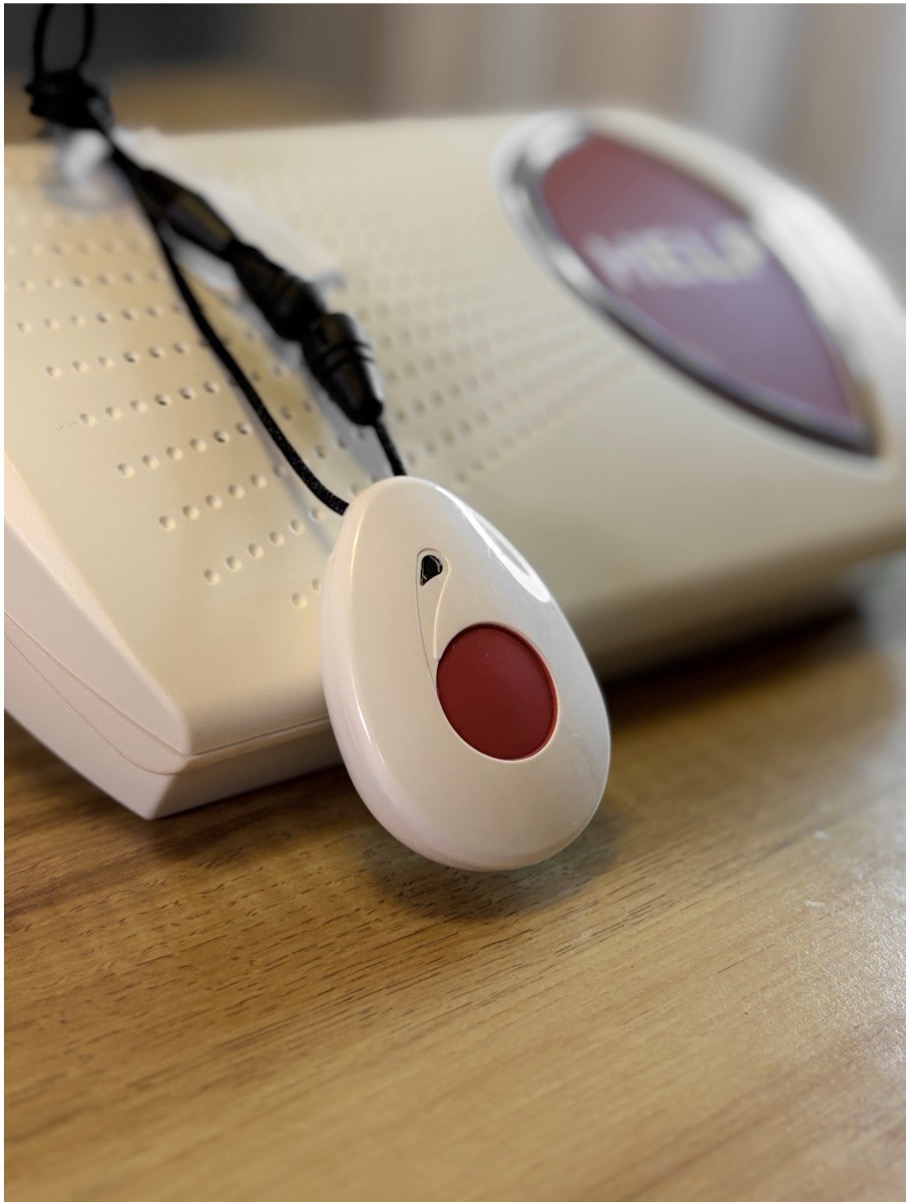
There are special safety concerns for older adults in Canada. Sometimes the regular means of communication are disrupted by winter storms, freezing rain or power outages. So, reliability is a big issue for contemporary medical alert technology.
For many newer systems, battery backup is built in, and devices continue to function during a brief power outage. This helps to keep seniors’ emergency access during storms and outages.
Plus, cellular systems are more flexible than older landline-only systems. Seniors residing in newer homes without landline telephones can effectively use emergency monitoring at home.
This change is particularly significant in more remote areas of Canada, where additional travel time to access nearby assistance may already be required.
4. Monitoring Services Now Provide Around-The-Clock Support
One of the biggest developments in medical alert care is the 24/7 services offered by medical alert professionals. Older children and families now demand emergency services which are available at all times.
Today’s systems directly connect users to trained monitoring specialists who are available 24/7. This ongoing care is particularly crucial for older adults who are living alone or have persistent health issues.
Further, monitoring professionals can rapidly evaluate situations and contact emergency responders if necessary. Some systems can even launch emergency support when the user is not able to communicate fully verbally.
This can be especially useful when falling, having a medical complication or when someone is confused.
This ongoing monitoring system is also beneficial for families. Living out of town, adult children may feel better knowing their loved ones have direct emergency contact at all times.
5. Medical Alert Technology Is Becoming More Senior-Friendly
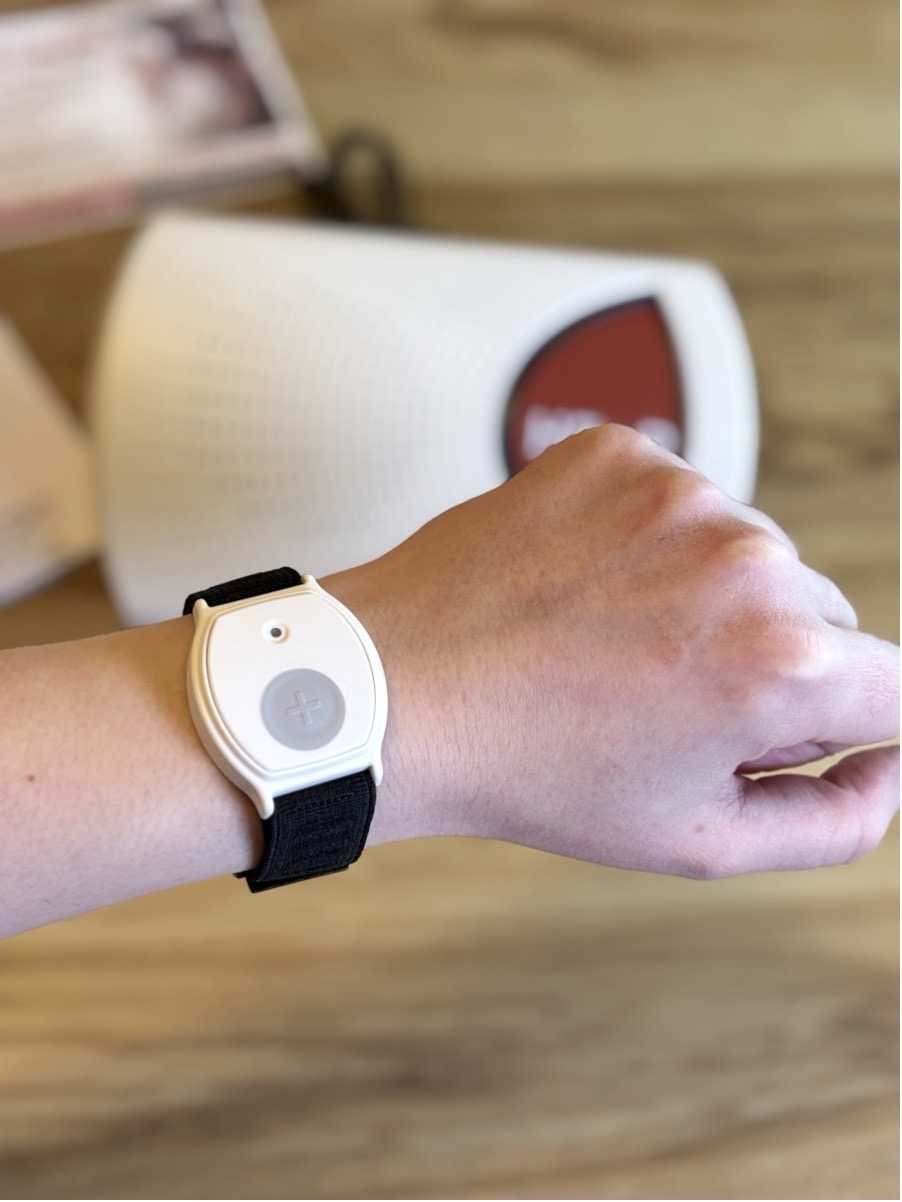
Medical alert systems are not only changing technologically but also in how they are used. Comfort, simplicity, and everyday usability are important factors to consider these days when developing for senior citizens.
Older systems can sometimes be cumbersome or hard to use. Newer wearable devices, on the other hand, are lighter, easier to use and created to be worn around the clock while performing daily tasks.
Also, water-resistant designs allow a senior to continue wearing their device without needing to remove it when bathing or washing dishes.
Many systems also do not enforce long-term contracts, which offer greater flexibility for families’ changing care plans over time.
Also, extended home coverage ranges are helpful for seniors residing in detached Canadian houses, who move from room to room, from the basement to the garage, and back.
By focusing on the user, seniors will feel more comfortable using the technology rather than feeling overwhelmed by it. This makes medical alert systems feel more like a part of life and not imposing. This means that medical alert systems are not too clinical or intrusive in life.
Conclusion
As Canada’s aging population continues to grow, medical alert technology has evolved significantly. Modern systems are designed to be more supportive of independent living and to enhance emergency communication, reliability, and everyday use. The benefits of these advances are particularly significant in Canada, where winter weather, rural isolation, and conditions for aging in place pose unique safety challenges for older adults.
Waterproof wearables, battery backup systems, cellular connectivity and 24/7 monitoring all offer more protection within the home. Also, more basic designs and larger coverage areas help senior citizens retain confidence in their ability to live independently.
With the Canadian elderly care landscape constantly changing, dependable in-home medical alert systems have become a critical component of long-term safety, independence, and family security.


