


When consumers analyze British utility bills recently, it is evident that the era of stable, low-cost energy has transitioned into a period of increased price volatility. Fluctuating price caps, rising daily standing charges, and unpredictable wholesale markets mean grid reliance now carries significant variable costs. To secure long-term financial stability, homeowners must stop acting as passive consumers. Upgrading a standard property into a smart, decentralized power station is increasingly viewed as a practical necessity. To effectively mitigate the impact of fluctuating quarterly energy bills, understanding the latest residential infrastructure is essential.
Why grid reliance is becoming a financial liability
British households face unprecedented pressure from escalating retail energy tariffs. Wholesale market volatility forces providers to pass significant costs directly onto local consumers. Whenever you review the latest Ofgem price cap, those climbing standing charges become impossible to ignore.

Securing long-term financial stability demands a total shift in perspective. Relying entirely on premium-rate, grid-supplied electricity is increasingly less cost-effective compared to localized generation. If you want to protect the family budget from inflation, generating independent renewable power is a logical first step toward enhanced budget predictability and energy independence.
The daily energy generation mismatch
The fundamental flaw in traditional renewable setups across the UK is a simple matter of timing. Producing clean electricity only helps if the household is actually present to use it. Rooftop arrays generate significant surpluses during the bright midday hours.
However, houses remain mostly empty while families are at work or school. Under current market rules, exporting surplus power to the grid often yields minimal financial return under standard Smart Export Guarantee (SEG) rates. When you return home for tea time, the sun goes down, forcing the immediate purchase of peak-rate grid electricity.
Storing daytime sunshine for the evening rush

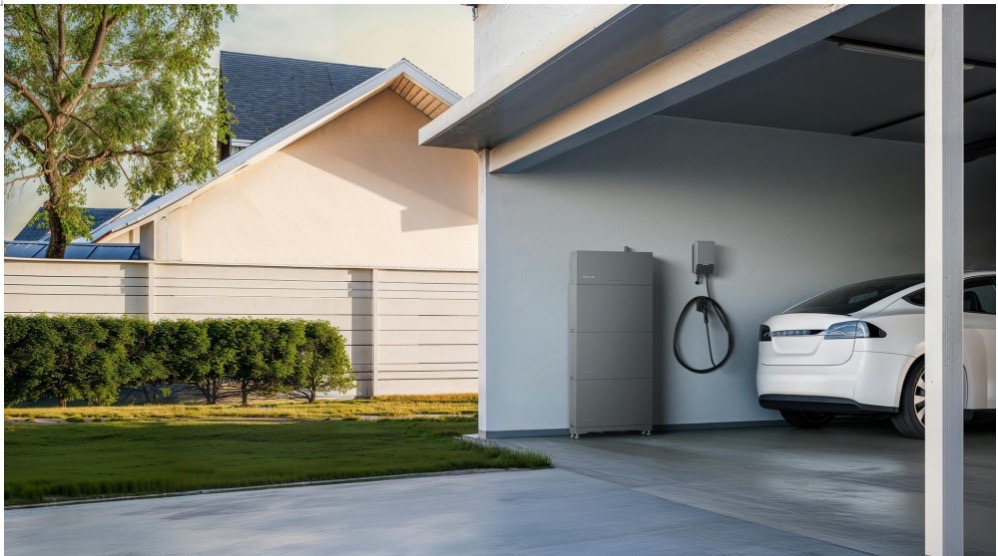
To address this imbalance, modern properties require physical storage capabilities. By investing in reliable solar battery storage, the house successfully banks its daytime surplus. Instead of virtually giving power away, the energy is securely held on-site for evening use.
When you select robust hardware, the home unlocks serious performance. Providing heavy-duty continuous output easily runs electric ovens and kettles simultaneously. Storing daytime generation helps offset peak evening tariffs, allowing the household to operate as a cost-efficient, self-sustaining micro-grid.
Breaking the British weather myth
Before storing electricity, it must be generated efficiently on the property. A common misconception is that typical UK weather patterns prevent effective solar generation. However, modern photovoltaic technology relies on solar irradiance rather than peak summer heat.
High-efficiency panels capture ambient light perfectly well on heavily overcast winter afternoons. If you size the system correctly, it can cover the vast majority of a home’s baseline consumption. Current data indicates that modern PV systems can consistently cover a substantial portion of a property’s baseline consumption year-round.
Understanding the true potential of the roof
Figuring out the logistics of generating solar power for your home is entirely about data analysis. If you analyze a full twelve months of historical consumption, the hardware can perfectly match the property’s exact demands.
To maximize this generation, modern systems utilize advanced energy management software. This acts as an automated energy management system (EMS) monitoring the property’s flow. If you open the management app, you will see it routing solar power directly to active appliances to maximize system efficiency and minimize unnecessary grid export.
Navigating variable market pricing
Even with brilliant hardware, true independence relies heavily on automated software. The UK energy market has rapidly shifted toward variable pricing models. Agile billing structures mean the price of a unit of electricity changes every thirty minutes.
When the North Sea wind turbines spin fast overnight, grid prices can actually plunge to zero. By utilizing automated software, households can capitalize on plunge pricing events to charge batteries at exceptionally low or negative rates, maximizing the system’s economic utility.
Leveraging dynamic tariffs for economic edge
Modern energy management is about more than just storing solar; it is about smart grid interaction. By utilizing dynamic tariffs, you align your property’s energy consumption with the real-time wholesale price of electricity. The system automatically pulls from the grid when rates are at their lowest point—often during the early hours of the morning—to ensure you have a full reserve of low-cost power ready for the expensive daily peak.

This automated intelligence ensures that you are never forced to buy power at top-tier rates. By strategically shifting when the house draws from the grid versus when it uses its banked capacity, you maximize efficiency and minimize costs, transforming energy management into an automated, cost-optimized strategy.
Building a cleaner, more valuable property
Combining generation, storage, and dynamic software creates an optimized residential ecosystem. Drastically reducing reliance on fossil-fuel power stations actively shrinks the household carbon footprint. Furthermore, localized battery systems provide reliable backup power during potential grid outages. You take permanent control of the monthly outgoings, and the resulting improvement in Energy Performance Certificate (EPC) ratings can positively influence property marketability.
Conclusion
Transitioning toward a self-reliant home infrastructure provides a practical strategy for navigating a volatile energy market. By storing daytime solar power and capitalizing on smart tariffs, homeowners can transform their properties into optimized, energy-efficient assets. The technology required to sever ties with expensive retail providers is readily available and more reliable than ever. You gain the unique ability to monitor, manage, and optimize every watt of electricity directly from a smartphone. Ultimately, upgrading residential energy infrastructure is an investment in long-term resilience and budget stability.


