


The Manaslu Circuit has become one of Nepal’s most compelling Himalayan journeys, yet it still feels remarkably removed from the country’s busiest trekking routes.
The trail follows the Budhi Gandaki through forested valleys, narrow gorges, stone villages, and high alpine country. It then rises towards Larkya La, a 5,106-metre pass that forms the physical and emotional high point of the journey.
What makes Manaslu different is not only its landscape. Access is controlled, permits are required, and trekkers must travel through a registered agency with licensed guide support.

That system influences how tourism grows across the region.
Restricted Does Not Mean Closed
The word “restricted” can sound severe, especially to first-time visitors.
In practice, the Manaslu region remains open to international trekkers who follow Nepal’s permit rules. Travellers need a Restricted Area Permit (RAP), the Manaslu Conservation Area Permit (MCAP), the Annapurna Conservation Area Permit (ACAP), and an itinerary arranged through a registered trekking company with a licensed guide.
Independent trekking is not allowed on the core circuit.

The requirement creates additional preparation before departure. Passport copies, visa details, travel insurance, route plans, and guide information must be submitted correctly.
For visitors, the process may feel formal. For the region, it creates a record of who enters, where they plan to walk, and which operator carries responsibility.
That structure has contributed to the region’s gradual tourism development.
Controlled Access Protects the Character of the Trail
The Manaslu region includes Buddhist villages, farming settlements, monasteries, mani walls, and trading routes influenced by nearby Tibet.
Tourism has expanded, but the area has not developed at the same speed as Nepal’s most visited trails. Lodges remain smaller, road access is limited in higher sections, and village life still shapes the rhythm of each day.
Trekkers pass through places where agriculture, animal husbandry, seasonal trade, and migration remain central to daily life.
Much of the route still feels lightly developed rather than heavily commercialised for tourism.
That sense of authenticity is one reason Manaslu attracts travellers seeking a quieter Himalayan experience.
Controlled access has encouraged a more gradual increase in visitor numbers than many of Nepal’s busiest trekking regions. It has also kept guides and registered agencies closely involved in how groups enter and move through the region.
The system is not perfect, but it has slowed the pressures that often accompany rapid tourism growth.
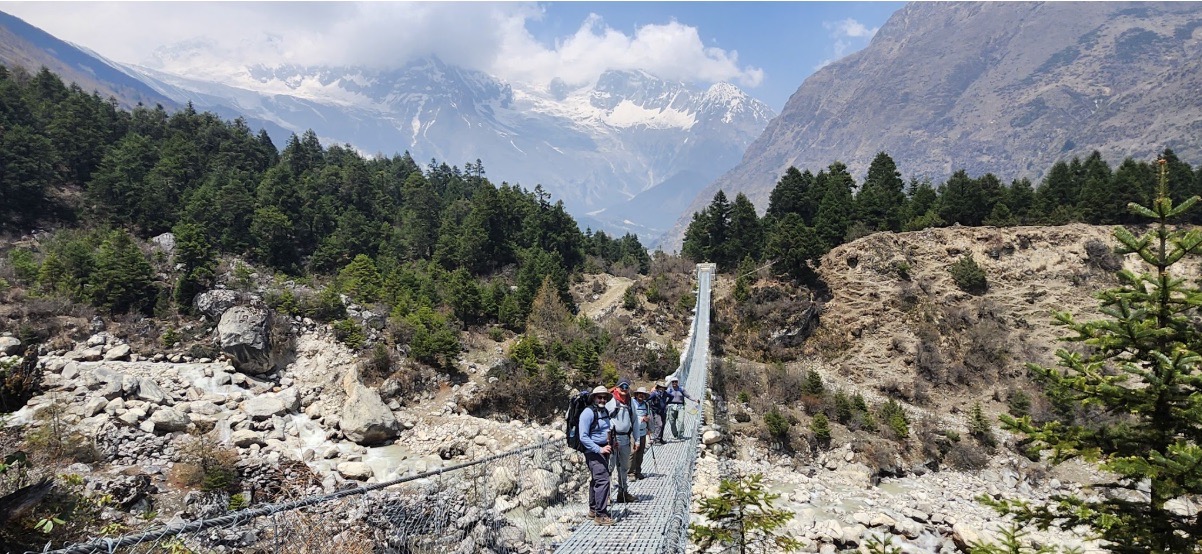
Guides Carry Greater Responsibility
A guide on the Manaslu Circuit handles responsibilities beyond identifying the correct trail.
They manage permits at checkpoints, arrange accommodation, monitor pace, communicate with lodges, and respond when weather or health changes the itinerary.
These responsibilities become increasingly important above Namrung, Lho, Shyala, Samagaun, and Samdo.
Altitude can affect anyone, regardless of age or fitness. A strong trekker may lose appetite, sleep poorly, or develop symptoms after gaining elevation too quickly.
Experienced guides watch for those changes.
They notice walking speed, coordination, energy, and behaviour. They also decide when the group should rest longer, descend, or revise the next stage.
Travellers comparing route length, acclimatization, transport, and support should review a carefully organised Manaslu Circuit Trek package before confirming their plans.
A good itinerary does not rush the upper valley.
It protects the days that help trekkers adapt safely.
Samagaun Shows Why Time Matters
Samagaun is one of the most important stops on the circuit.
The village sits beneath the high mountains and gives trekkers time to acclimatize before moving towards Samdo, Dharamsala, and Larkya La.
A rest day here usually includes an acclimatization walk. Some travellers visit Birendra Lake, while stronger groups climb towards the Manaslu Base Camp viewpoint before returning to sleep lower.
The principle is simple: gain height carefully, then allow the body to recover.
Modern transport can shorten many approaches across Nepal, but it cannot accelerate how the human body responds to reduced oxygen.
That is why rushed itineraries can create problems.
Nepal Hiking Team, a Kathmandu-based trekking operator, follows a gradual itinerary with dedicated acclimatization before crossing Larkya La, reflecting the pacing widely recommended for high-altitude trekking
The value lies in the sequencing.
Each day prepares the trekker for the next.
Permits Shape the Local Economy
The permit system also connects tourism with formal local services.
Guides, porters, drivers, lodge owners, cooks, farmers, and shopkeepers all benefit when trekking groups move through the valley.
Permit fees support government administration and conservation management, while the permit system helps regulate tourism across the protected areas.
That arrangement does not guarantee equal benefits for every village. Tourism income can still concentrate in larger settlements or better-positioned lodges.
However, guided travel creates clearer local spending than unrecorded movement through the area.
Travellers sleep in community lodges, eat food prepared locally, and hire people whose families live within the trekking economy.
When groups move slowly, more villages share those benefits.
Regulation Cannot Remove Mountain Risk
Controlled entry improves organisation, but it does not control weather, altitude, or trail conditions.
The Manaslu Circuit remains physically demanding.
Long walking days, steep ascents, cold mornings, and basic accommodation require preparation. Snow can complicate the pass, while rain may affect lower trails and road access.
Larkya La remains the toughest stage for most groups.
Trekkers usually leave before sunrise and climb through exposed high country before descending towards Bhimtang.
The day can be long, cold, and tiring.
Permits do not replace travel insurance, proper clothing, sensible pacing, or honest communication with the guide.
Regulation provides a framework.
Safe trekking still depends on judgement.
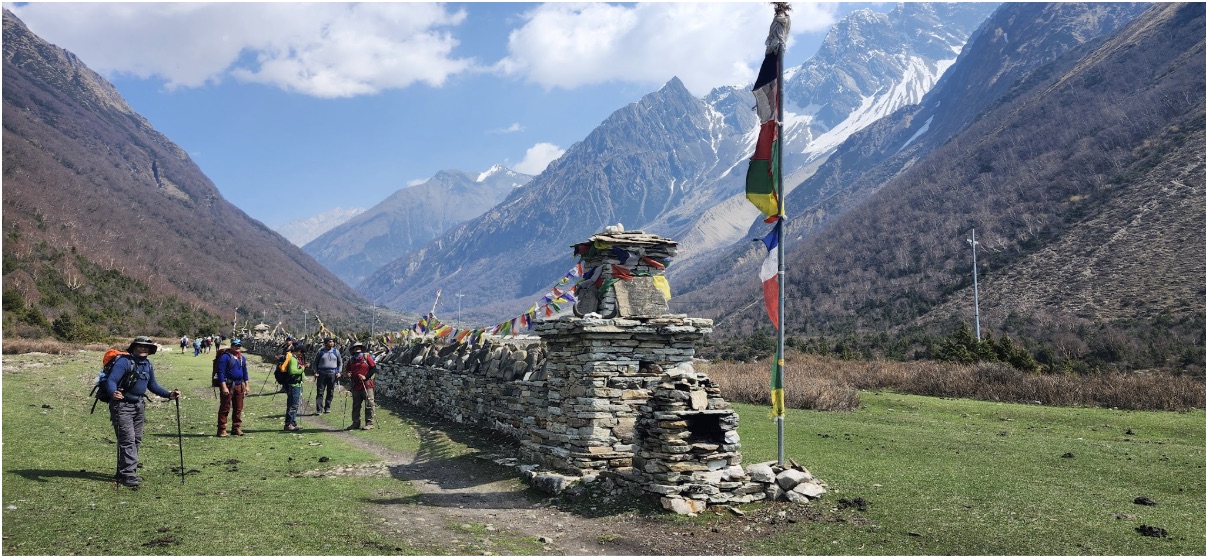
Growth Is Reaching Manaslu Carefully
Manaslu is no longer a hidden route.
Images of Lho, Shyala, Samagaun, and Larkya La now circulate widely online. Better teahouses and improved road access to the lower valley have also made the trek easier to organise.
That growth brings opportunity.
It supports local employment and encourages families to improve lodges, kitchens, rooms, and communication services.
It also creates pressure.
Higher visitor numbers increase waste, water demand, fuel use, and strain on fragile trails.
Local governments, conservation authorities, trekking agencies, and village communities all play a role in managing tourism responsibly.
Trekkers also carry responsibility.
They can reduce plastic, use water carefully, respect monasteries, avoid littering, and follow local guidance.
Small choices matter on a remote trail.
A Measured Future for Himalayan Travel
The Manaslu permit system may feel inconvenient during the booking stage. Documents must be prepared, itineraries checked, and permits approved before departure.
On the trail, the value becomes clearer.
The journey remains organised without feeling overdeveloped. Guides stay central, villages retain their identity, and the route rewards travellers who arrive with patience.
Controlled access has not prevented Manaslu from growing.
It has shaped how that growth happens.
For a Himalayan region balancing culture, conservation, safety, and economic opportunity, that measured approach may prove essential.
The Manaslu Circuit still feels remote because change has arrived carefully.
That may be its greatest strength.


