


The conversation about face swap technology usually splits into two camps: enthusiasts who see it as a creative liberator, and skeptics who see it as a liability waiting to happen. Both camps are partly right. Whether face swap helps or hurts depends almost entirely on the decisions made before the technology is touched — on consent, context, and creative purpose. Pollo AI provides the capability; the framework for using it responsibly belongs to the creator.
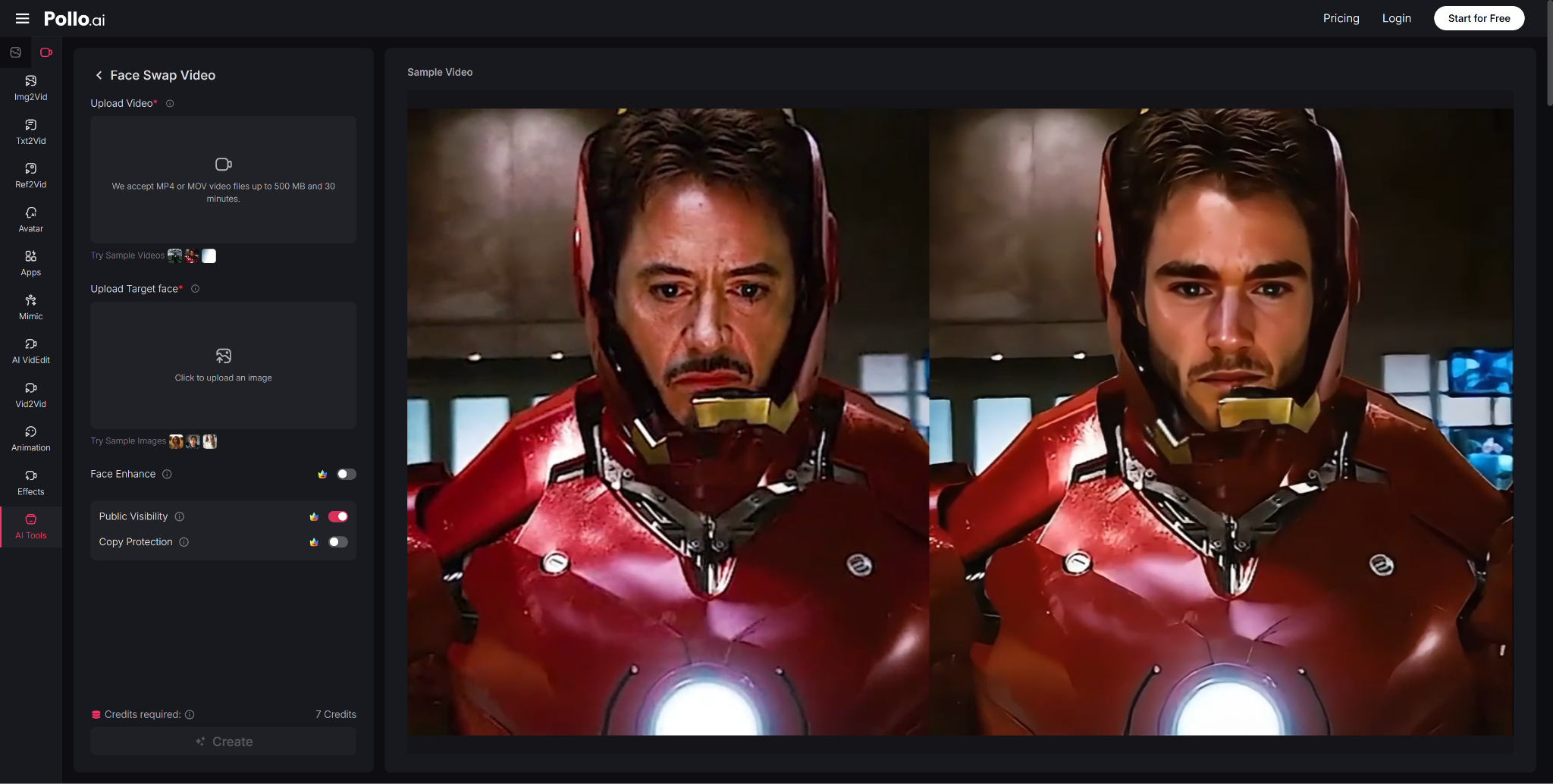
Why the Creative Case for Face Swap Is Legitimate
Face swap isn’t a deepfake factory. Used correctly, it’s a production efficiency tool that solves real creative problems. The most defensible applications share a common characteristic: the audience understands the premise, or the use is entirely behind the scenes.

The legitimate use cases include:
- Variation testing without reshooting: swap a presenter face to evaluate how the same content performs with a different demographic presentation — a valid testing approach when done with proper consent and controlled distribution
- Content updates without full reproduction: an existing video that still performs well but needs a new spokesperson can be updated at the face level rather than reproduced from scratch
- Character-based entertainment content: reaction formats, narrative content, and creative entertainment where the audience fully understands and enjoys the conceit
The video face swap technology in Pollo AI is capable enough to make these applications genuinely useful. That’s precisely why the ethical checklist isn’t optional.
The Three Failure Modes to Actively Prevent
Most face swap problems fall into predictable categories. Understanding them in advance is the easiest way to avoid them.
Authenticity failure: when the swap is detectable — mismatched lighting, inconsistent skin tone, motion drift — the content doesn’t just fail aesthetically. It reads as careless or deceptive, which damages creator and brand credibility far more than not using the technology at all.
Consent and legal exposure: using someone’s likeness without documented permission, particularly in commercial contexts, creates real liability. This applies even to internal testing and non-public use. Written consent is non-negotiable.

Ambiguity about what viewers are seeing: face swap content that could be mistaken for genuine footage of a real person — saying or doing something they didn’t actually say or do — crosses from creative tool into potential harm territory, regardless of the creator’s intent.
Pollo AI makes the technical side of face swap accessible. None of that changes where the responsibility for these failure modes sits.
A Practical Consent and Review Workflow
For brands and creators using face swap as a production tool, a minimal governance structure looks like this:
Before generation: obtain written consent from anyone whose likeness will be used. Specify the purpose, the distribution context, and any limitations on how the content will be used. Keep the documentation.
During production: use only images cleared for the specific use case. A model release for photography doesn’t automatically cover AI-generated video use. Confirm the scope explicitly.
Before publishing: run through the ethical checklist below. Don’t skip it because the use case feels obvious or low-stakes.
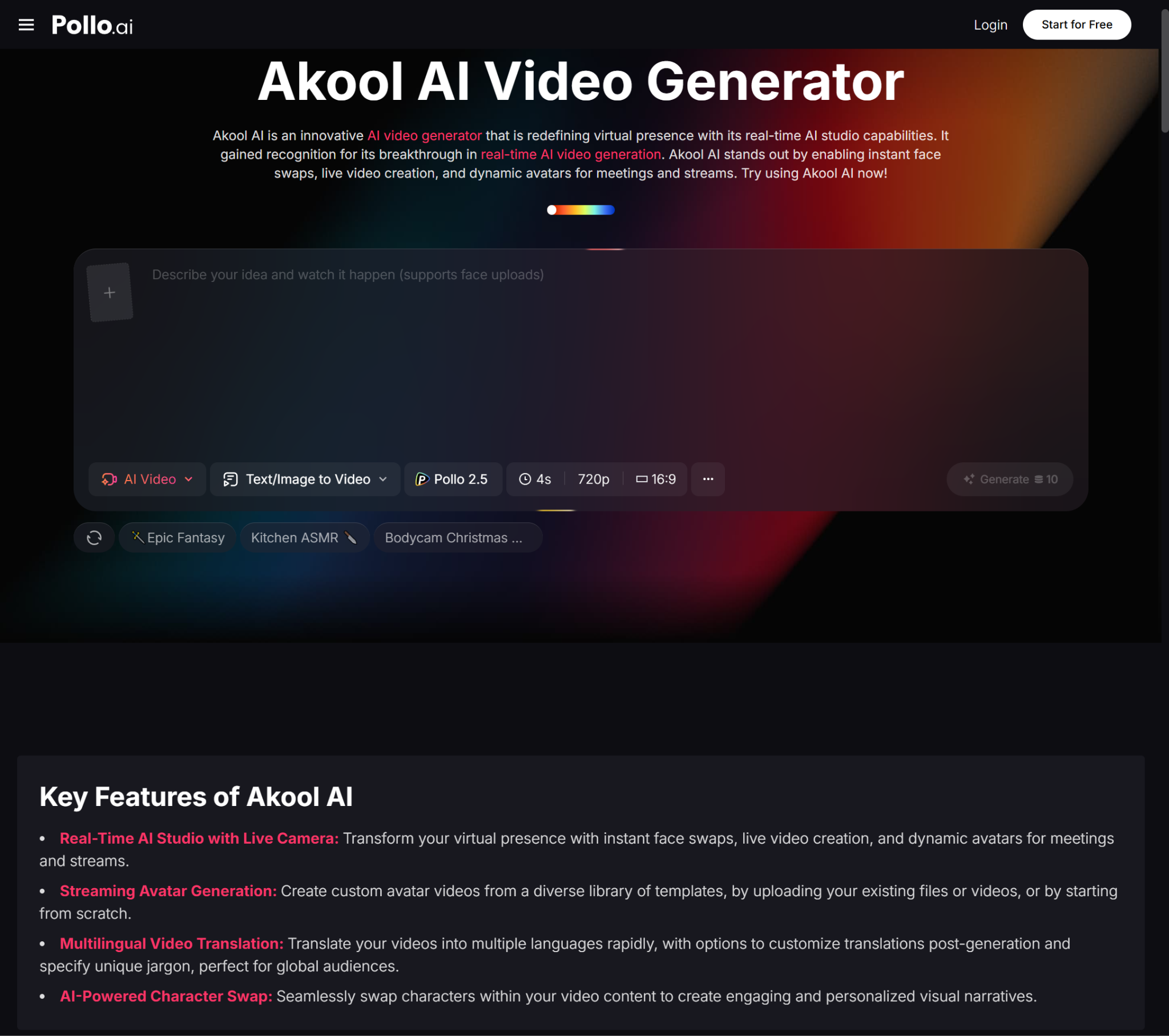
For creators and teams researching how face swap fits within broader AI video production contexts — including how related tools approach creative video generation and visual identity modification — the Akool AI page on Pollo AI offers useful internal context on how adjacent platforms handle these capabilities.
A Pre-Publication Ethical Checklist
Before any face swap content goes live:
- Do I have written permission to use this person’s likeness in this specific context?
- Could a reasonable viewer mistake this for authentic, unmodified footage?
- Does this content comply with the publishing platform’s policies on synthetic media?
- Is the production quality high enough that the swap reads as intentional?
- Have I disclosed AI use where the platform or context requires it?
- Has a second person reviewed the content before it’s distributed?
Conclusion
Face swap is one of those capabilities where the question “can we?” is much less interesting than “should we, and how?” Pollo AI gives creators access to production-grade face swap technology as part of a broader video toolkit. The checklist above is the bridge between access and responsible use. Clear consent, honest context, and intentional production quality are what turn face swap from a liability into a legitimate creative tool.



… [Trackback]
[…] There you can find 11119 additional Information to that Topic: newzimbabwe.com/video-face-swap-for-creators-how-to-keep-it-believable/ […]